Patellofemoral Pain Syndrome (PFPS): Why Your Knee Hurts and How to Fix It
Knee pain has a way of sneaking into everyday life. One day you are going for a run, and the next, even sitting through a movie feels uncomfortable. If you have felt pain around the front of your knee, you may be dealing with Patellofemoral Pain Syndrome (PFPS)—often called runner’s knee or moviegoer’s knee.
Although the names vary, the experience is the same: irritation, discomfort, and frustration when your knee just does not feel right.
What Is Patellofemoral Pain Syndrome?
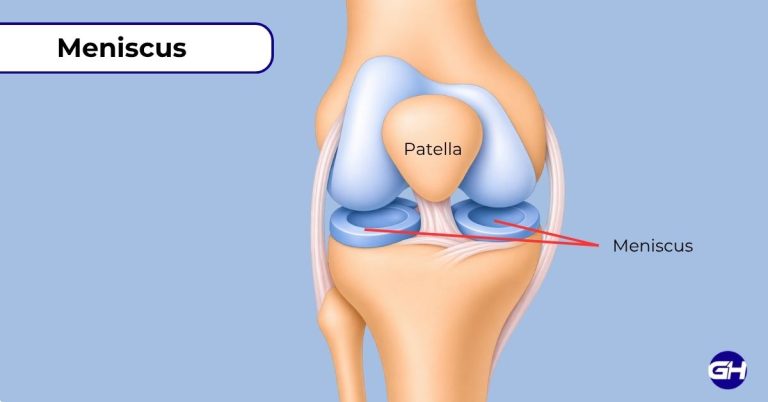
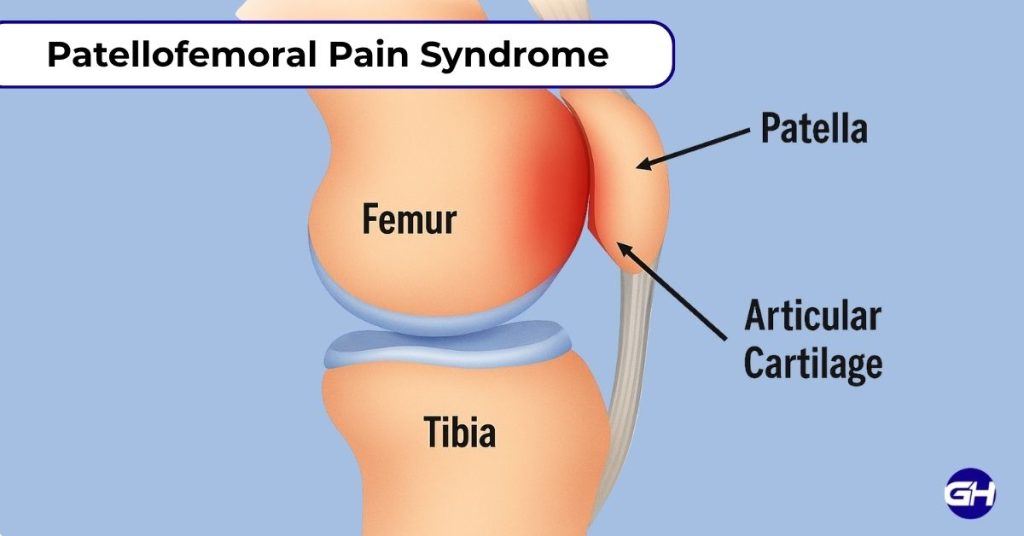
Patellofemoral Pain Syndrome refers to pain around the front of the knee, specifically where the kneecap (patella) meets the thigh bone (femur). This area plays a key role in how your knee bends and straightens.
To understand PFPS, it helps to look at how your knee works.
- The femur (thigh bone) and tibia (shin bone) form the main knee joint
- The patella (kneecap) sits on top and helps guide movement
- The quadriceps muscles (on the front of your thigh) straighten the knee
These muscles connect through tendons that run over and under the kneecap, creating a pulley system. This system helps your knee move efficiently when you walk, run, squat, or climb stairs.
However, when that system is not working smoothly, irritation builds—and that is where PFPS begins.
Why Does PFPS Happen
Here is the part most people do not expect: Knee pain is often not caused by the knee itself.
Instead, the knee acts more like a middleman between two powerful players:
- The hip, which controls movement and direction
- The ankle, which provides stability and balance
Think of the knee as the “third wheel” in this relationship. It follows the lead of the hip and ankle. So, when something is off in either of those areas, the knee feels the consequences.
Common Causes of PFPS
- Weakness in the hips
- Poor ankle mobility or stability
- Movement patterns that cause the knee to track improperly
- Repetitive stress without proper support
As a result, the kneecap does not glide smoothly. Instead, it creates friction and irritation, especially during repeated movement.
Why It Affects Runners and “Moviegoers”
PFPS often shows up in two very different scenarios:
1. High-Impact Activity (Runners)
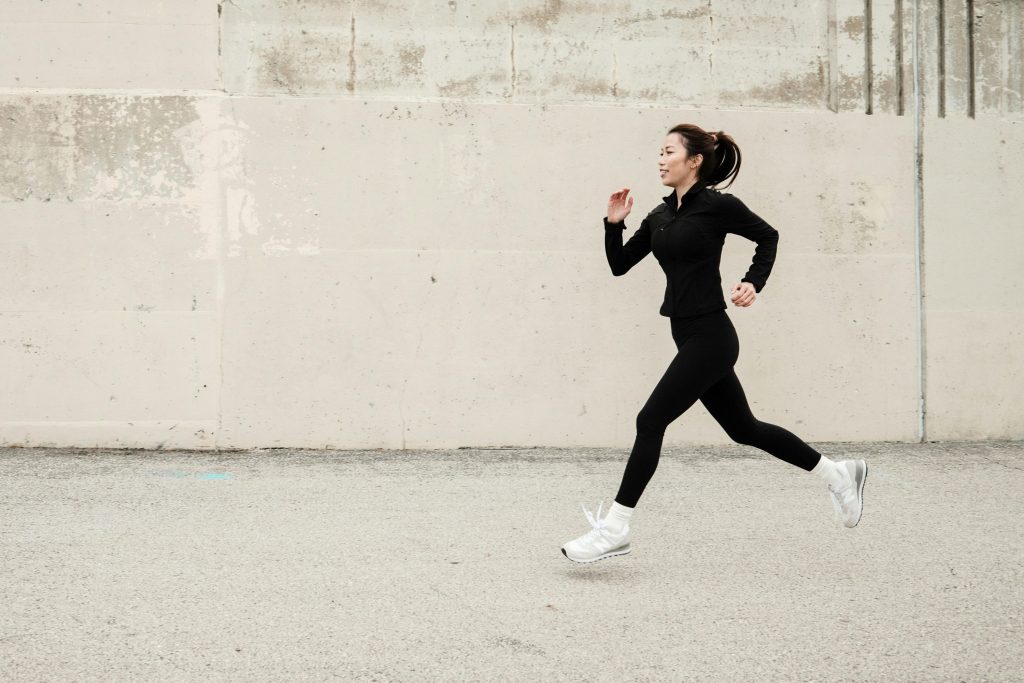
Running places repeated load on the knee. If the hip and ankle are not supporting movement well, the knee absorbs excess stress—especially during hills or longer runs.
2. Prolonged Sitting (Desk or Driving Jobs)
On the other hand, sitting for long periods with your knee bent creates constant pressure in the joint. Over time, this leads to stiffness and discomfort.
So while running and sitting seem unrelated, they share one thing:
They both stress a knee that is not tracking properly.

Signs You May Have PFPS
You might be experiencing PFPS if you notice:
- Pain in the front of the knee
- Discomfort when sitting for long periods
- Pain with stairs, squatting, or running
- A feeling of tightness or pressure around the kneecap
How to Relieve Patellofemoral Knee Pain
The good news? PFPS responds very well to the right approach.
Step 1: Reduce Irritation
First, give your knee a chance to calm down.
- Avoid prolonged bent-knee positions
- Limit stairs, deep squats, and running temporarily
- Stand up and move every 15–30 minutes
Sometimes, this is the moment where taking the elevator is actually the smart move.
Step 2: Restore Proper Movement
Next, focus on correcting the root cause.
- Strengthen the hips to improve control
- Improve ankle mobility and stability
- Retrain movement patterns so the knee tracks correctly
When the hip and ankle do their jobs well, the knee no longer has to compensate.
Step 3: Support Recovery and Prevent Recurrence
Short-term relief can also help you stay consistent while you rebuild.
At Greater Heights Physical Therapy, treatments may include:
- Manual therapy
- Cupping
- Dry needling
- Targeted exercise programs
However, the real goal is not just to reduce pain—it is to build a system that keeps it from coming back.
When to Seek Help for Knee Pain
If your knee pain is not improving, keeps returning, or is limiting your activity, it is time to take a closer look.PFPS is not something you have to push through or “wait out.” With the right plan, you can return to movement feeling stronger, more stable, and more confident.
Ready to Get Back to Pain-Free Movement?
If you think you are experiencing Patellofemoral Pain Syndrome or ongoing knee pain, we are here to help. Reach out for a consultation, and we will create a personalized plan to get you moving better—without pain holding you back.