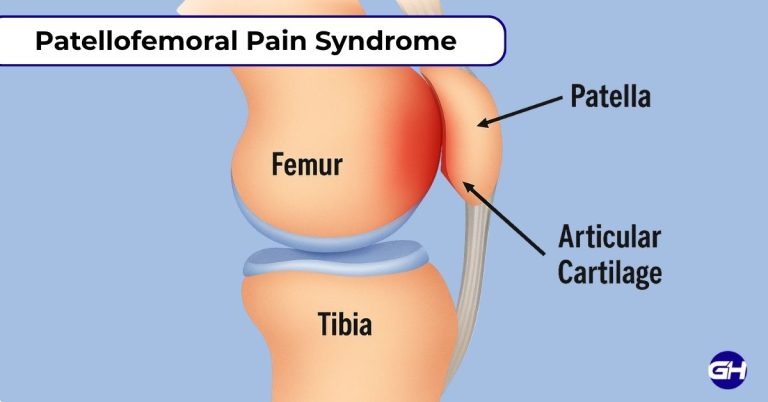
Meniscus Injury: What It Means and How to Recover Without Surgery
Knee pain can show up in different ways. Sometimes it happens suddenly after a quick twist. Other times, it builds slowly over time. One common cause of this discomfort is a meniscus injury.
If you have ever felt a “pop” while squatting or noticed stiffness and swelling after activity, your meniscus may be involved. However, understanding how the knee works can help you take the right steps toward recovery.
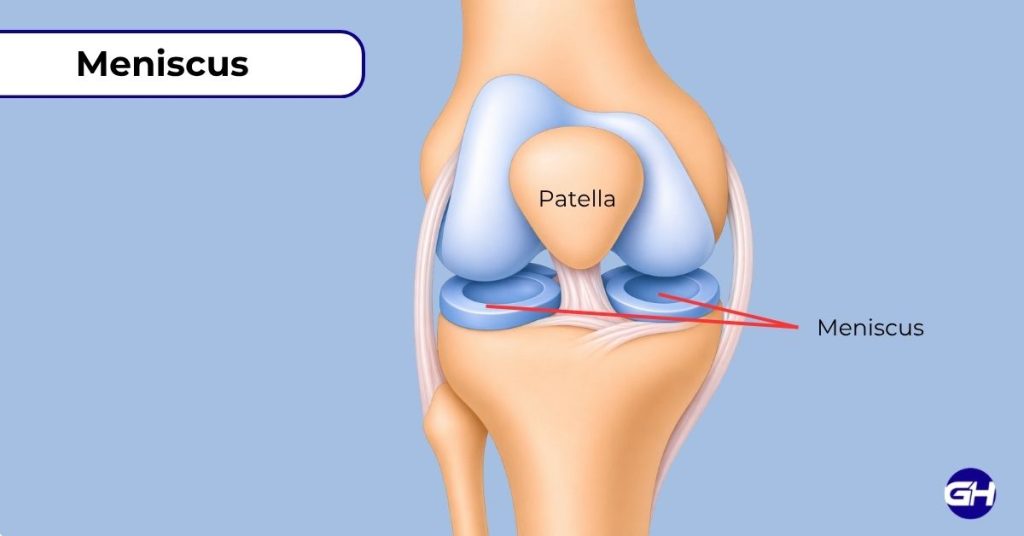
What Is the Meniscus?
The knee is a hinge joint that allows your leg to bend and straighten. Inside the joint are two wedge-shaped pieces of cartilage called the menisci.
These structures play an important role in how your knee functions. They:
- Cushion the joint
- Distribute weight evenly
- Improve stability during movement
In other words, the meniscus acts as your knee’s built-in shock absorber.
Why a Meniscus Injury Matters
Think of the meniscus as a protective layer between your bones. Without it, the femur and tibia would press directly against each other, leading to increased stress and discomfort.
However, when the meniscus becomes irritated, pinched, or torn, it can lead to:
- Pain along the knee joint
- Swelling or stiffness
- Catching or locking sensations
- A feeling of instability
As a result, everyday movements like walking, squatting, or turning can become uncomfortable.
Common Causes of Meniscus Injuries We treat
Traumatic Injuries
These often occur suddenly. For example, a quick pivot, twist, or fall can place stress on the knee and lead to irritation or tearing.
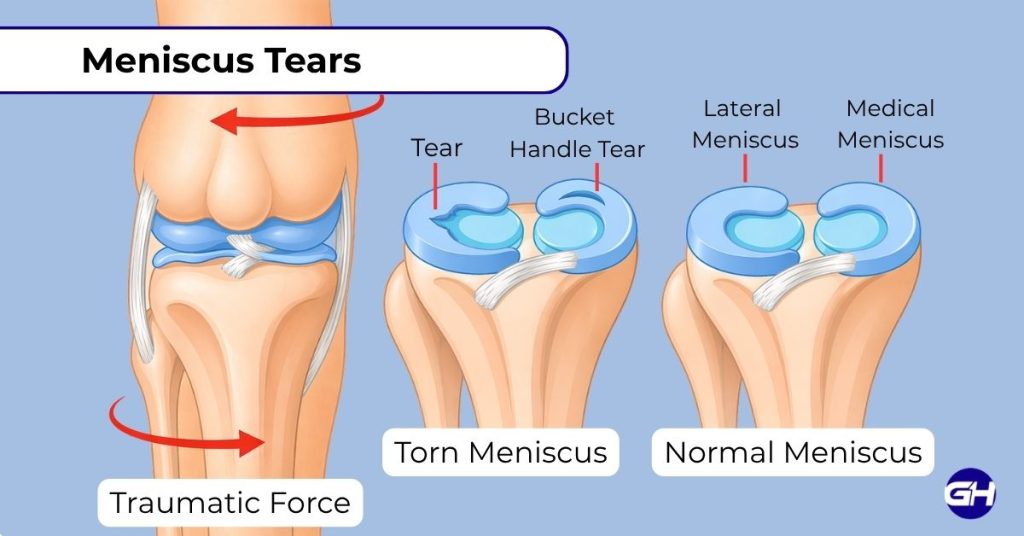
Degenerative Injuries
On the other hand, some injuries develop gradually. Over time, repeated use and natural aging can wear down the cartilage, making it more vulnerable. Even though physical therapy cannot reverse the loss of cartilage. We have found that patients engaging in PT are able to improve their knee function. These improvement joint function and knee stability, decrease stress on the meniscus, improve movement mechanics, maintain activity levels, and potentially slow further joint deterioration by improving how forces are distributed throughout the knee. During PT treatment we focus on on strengthening the quadriceps, hamstrings, glutes, and calves while improving hip and ankle mobility, enhancing balance and stability, and correcting movement patterns that place excess stress on the knee. As a result, many of our patients experience less pain, improved function, and greater confidence during daily activities and exercise.
Do You Need Surgery for a Meniscus Tear?
One of the first questions we hear from our patients is whether a meniscus tear automatically means surgery. In many cases, the answer is no.
While some severe tears may require surgical intervention, we find many people recover successfully through physical therapy and targeted strengthening. We often see patients who are able to return to walking, hiking, running, and other activities without surgery by improving strength, mobility, and movement patterns.
It’s also important to understand that MRI findings don’t always tell the whole story. As we age, changes within the meniscus become more common. In fact, many people have meniscus tears visible on imaging without experiencing knee pain at all.
This is why we focus on more than just the MRI report. During an evaluation, we look at how your knee moves, how strong the surrounding muscles are, and whether other areas such as the hips or ankles may be contributing to the problem.
One of the most common things we see is that the knee ends up working harder because nearby joints and muscles are not doing their share of the work. When that happens, even a small meniscus injury can become more irritating.
Before jumping straight to surgery, it’s worth asking whether the pain is coming from the tear itself or from underlying strength, mobility, and movement limitations that can often be improved through physical therapy.
How Physical Therapy Helps Meniscus Injuries
Rather than focusing only on the meniscus, effective treatment looks at the entire system.
At Greater Heights Physical Therapy, we focus on:
- Strengthening the quadriceps, hamstrings, glutes, and calves
- Improving hip and ankle mobility
- Restoring proper movement patterns
When these areas improve, the knee experiences less stress and can move more efficiently.
Movement Matters More Than You Think
It can feel natural to protect your knee and avoid movement. However, complete rest is not always the best solution.
Instead, controlled movement helps keep the joint healthy.
Think of your meniscus like a sponge. If it sits still for too long, it becomes stiff. However, when it moves regularly, it stays more flexible and resilient.
Because of this, gentle and consistent movement is often a key part of recovery.
Treatment Options for Meniscus Pain
Treatment usually begins with reducing pain and irritation. From there, the focus shifts to building strength and stability.
At Greater Heights Physical Therapy, treatment may include:
- Hands-on manual therapy
- Cupping or dry needling
- Progressive strengthening programs
Most importantly, the goal is not just to relieve pain, but to prevent it from returning.
When to Seek Help for Knee Pain
If your knee feels unstable, continues to swell, or limits your ability to move, it may be time to seek professional guidance.
Working with a trained provider ensures that you are:
- Progressing safely
- Addressing the root cause
- Knowing when further medical evaluation is needed
Ready to Move Without Knee Pain?
If you are dealing with knee discomfort or think you may have a meniscus injury, you do not have to figure it out alone.
Reach out for a consultation at Greater Heights Physical Therapy and Performance in Traverse City, Michigan. Together, we will identify what is causing your pain and create a plan to help you move with confidence again.