
Knee and Hip Physical Therapy
Knee & Hip Physical Therapy in Traverse City, MI
Start your Knee and Hip Rehabilitation Today
Knee and hip discomfort can affect everything from walking and exercise to athletic performance, balance, strength, and daily movement. At Greater Heights Physical Therapy & Performance, we provide individualized knee and hip rehabilitation designed to reduce pain, improve mobility, restore strength, and support long-term movement health. Our one-on-one approach allows us to create personalized treatment plans tailored to each patient’s goals, lifestyle, and activity level.
Understanding Knee and Hip Pain
Physical Therapy Conditions and Injuries Treatment Plan
Additionally, repetitive movement, overuse, sports injuries, muscular imbalances, mobility limitations, and movement dysfunction can all contribute to knee and hip discomfort. Symptoms may include stiffness, weakness, instability, reduced mobility, discomfort during exercise, pain with walking or stairs, and limitations during everyday movement and athletic activity.
Conditions we Commonly Treat
- Knee Pain
- Hip Pain
- Runner’s Knee
- IT Band Discomfort
- Hip Mobility restrictions
- Sports-Related Knee Injuries
- Knee Instability
- Overuse Injuries
- Muscle Imbalances
- Movement Limitations
- Post-Surgical Rehabilitation
- Strength and Stability Deficits
Educational Resources for Knee & Hip Health
Explore educational resources focused on knee and hip pain, mobility, recovery, movement health, injury prevention, strength development, and performance-based rehabilitation. Our articles are designed to help patients better understand movement, improve function, and support long-term physical health and activity.
-
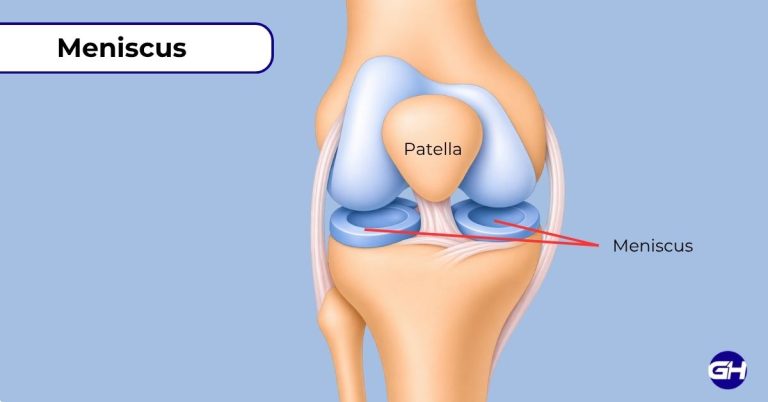
Meniscus Injury: What it means and how to recover without surgery
Meniscus Injury: What It Means and How to Recover Without Surgery Knee pain can show up in different ways. Sometimes it happens suddenly after a quick twist. Other times, it…
-
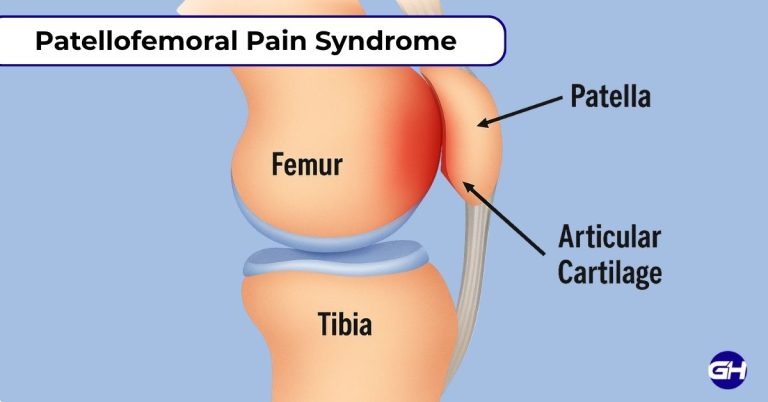
Patellofemoral Pain Syndrome (PFPS)
Patellofemoral Pain Syndrome (PFPS): Why Your Knee Hurts and How to Fix It Knee pain has a way of sneaking into everyday life. One day you are going for a…
Treatment Approaches for Knee & Hip Recovery
Additionally, physical therapy focuses on identifying the underlying factors contributing to pain, instability, weakness, and movement limitations rather than simply addressing symptoms alone. Treatment plans at Greater Heights Physical Therapy & Performance are individualized to help patients improve strength, mobility, stability, movement efficiency, and overall function.
In addition, treatment may include therapeutic exercise, manual therapy, dry needling, mobility work, movement retraining, recovery-focused rehabilitation, and performance-based strengthening depending on each patient’s goals and activity level.
Frequently Asked Questions
Can physical therapy help knee pain?
Physical therapy can help improve strength, mobility, stability, movement mechanics, and overall function while addressing factors that may contribute to knee discomfort.
What causes hip pain?
Hip pain can develop from overuse, muscular imbalances, mobility restrictions, sports injuries, movement dysfunction, repetitive strain, or everyday activity.
Do I need a referral for physical therapy?
Many patients in Michigan can begin physical therapy without a physician referral through direct access laws. However, some insurance plans may still require a referral for reimbursement. If you are unsure, our team is happy to help guide you through the process before your first appointment.
Can physical therapy help chronic pain?
Yes. Physical therapy can be highly beneficial for individuals experiencing chronic pain by improving movement quality, strength, mobility, and overall function. Treatment may include therapeutic exercise, manual therapy, movement retraining, dry needling, recovery-focused rehabilitation, and education designed to support long-term symptom management and improved quality of life.
How do I know which service is right for me?
You do not need to have everything figured out before scheduling an appointment. During your initial evaluation, our team will assess your movement, symptoms, goals, and lifestyle to help determine the most appropriate treatment plan for your needs. Whether you are recovering from injury, managing pain, or looking to improve performance, we will help guide you toward the right approach.